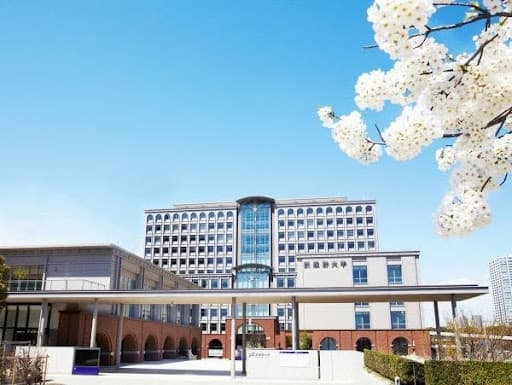
Japan – Education & Student Life
Japan is one of Asia’s most advanced and innovative countries, well known for its high-quality education system, modern technology, rich culture, and safe living environment. It is located in East Asia and consists of four main islands: Honshu, Hokkaido, Kyushu, and Shikoku.
Japan – Education & Student Life
Japan is one of Asia’s most advanced and innovative countries, well known for its high-quality education system, modern technology, rich culture, and safe living environment. It is located in East Asia and consists of four main islands: Honshu, Hokkaido, Kyushu, and Shikoku.
The capital city is Tokyo, one of the world’s largest and most technologically advanced cities. Other major student cities include Osaka, Kyoto, Nagoya, and Fukuoka.
The official language is Japanese, and the currency is the Japanese Yen (¥). Japan has a population of around 124 million people.
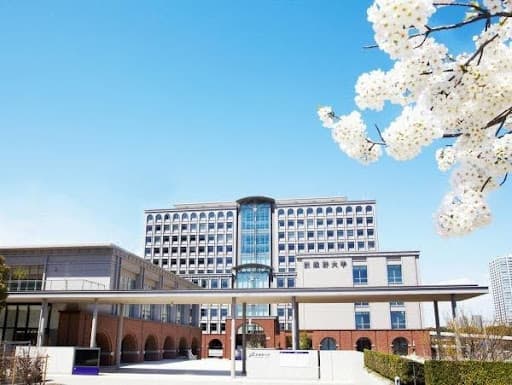
Education System
Japan offers a highly respected education system known for academic excellence, innovation, discipline, and strong research opportunities. Japanese universities are globally recognized, especially in science, engineering, robotics, and technology.
The higher education system includes:
National universities
Public universities
Private universities
Technical and vocational institutes
Degree Structure
Bachelor’s Degree: 4 years
Master’s Degree: 2 years
PhD Programs: 3–5 years
Many universities offer:
English-taught programs
Research-focused education
Internship opportunities
Exchange programs
Industry collaboration with global companies
Japan is especially strong in:
Engineering & Robotics
Computer Science & AI
Business & Management
Medicine & Healthcare
Automotive Technology
Animation & Design
Top Universities in Japan
Loading universities...
Student life
International students enjoy:
Safe and clean cities
Advanced public transportation
Multicultural campus life
Anime, gaming, and pop culture
Traditional festivals and cultural experiences
High-tech lifestyle
Japan is famous for its discipline, innovation, cuisine, cherry blossoms, and unique blend of tradition and modernity.
Start Your Study Abroad
Get expert guidance & resources to reach your academic goals. Enjoy personalized support for your journey.
Part-Time Work & Career Opportunities
International students in Japan can usually work:
Up to 28 hours per week during study
Full-time during vacations
Popular student jobs:
Convenience stores
Restaurants and cafés
English teaching/tutoring
Customer service
Factory and warehouse work
Key industries in Japan:
Technology & Robotics
Automotive Industry
Electronics
Healthcare
Finance
Gaming & Animation
Tuition Fees & Cost of Education
Japan is considered more affordable than many Western countries while still offering high-quality education.
Program / Study Level | Average Tuition Fees |
|---|---|
| Bachelor’s Programs | ¥500,000–¥1,500,000 per year |
| Master's Programs | ¥600,000–¥2,000,000 per year |
| Private universities | Usually more expensive than public universities |
Additional Details
- Scholarships are available through:
- Japanese Government (MEXT Scholarship)
- Universities
- JASSO Scholarships
- Private foundations
Study in the Japan costs for Students
Studying in the ABROAD from Bangladesh requires careful financial planning, as monthly living costs vary by city.
City | Starting | Upto |
|---|---|---|
| Tokyo | ¥100,000 | ¥180,000 |
| Other cities | ¥70,000 | ¥120,000 |
Rent | Food | Transport | Personal expenses |
|---|---|---|---|
| ¥30,000–¥80,000 | ¥20,000–¥40,000 | ¥5,000–¥15,000 | ¥10,000–¥30,000 |
Immigration & Settlement Path
After graduation, students may apply for:
Work Visa
Engineer/Specialist in Humanities Visa
Highly Skilled Professional Visa
Graduates who secure long-term employment may become eligible for:
Permanent Residency
Long-term settlement opportunities
Essential Documents and Scholarship Opportunities
Long-term residence opportunities may become available after stable employment and several years of residence.
✅
Advantages
High-quality education system
Globally respected universities
Safe and clean environment
Strong technology and innovation sector
Affordable public universities
Excellent public transportation
⚠️
Disadvantages
Japanese language can be challenging
Work culture may be demanding
Cost of living in Tokyo is high
Competitive university admissions
Cultural adjustment may take time
Overall Summary
Japan is an excellent destination for international students seeking advanced education, technological exposure, and a unique cultural experience. With world-class universities, strong research opportunities, and growing career options, Japan offers a valuable pathway for students aiming to build an international future.

Help Me To Decide
If you can't select your country or university, Discuss with our expert team to decide your destination.