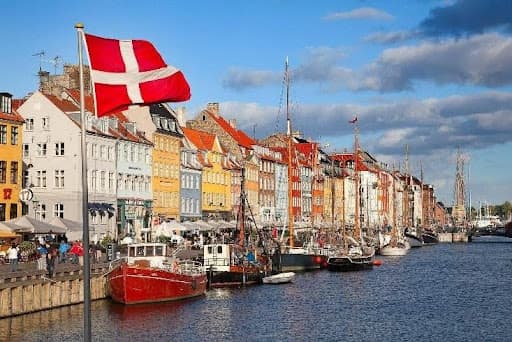
Denmark – Education & Student Life
Denmark, officially the Kingdom of Denmark, is a Scandinavian country in Northern Europe, known for its high standard of living, modern society, sustainability, and innovative education system. It consists of the Jutland Peninsula and numerous islands, and shares a border with Germany. Denmark is surrounded by the North Sea and the Baltic Sea.
Denmark – Education & Student Life
Denmark, officially the Kingdom of Denmark, is a Scandinavian country in Northern Europe, known for its high standard of living, modern society, sustainability, and innovative education system. It consists of the Jutland Peninsula and numerous islands, and shares a border with Germany. Denmark is surrounded by the North Sea and the Baltic Sea.
The capital city is Copenhagen, a vibrant and student-friendly city. Other major student cities include Aarhus, Odense, and Aalborg. The official language is Danish, and the currency is the Danish Krone (DKK). Denmark has a population of around 5.9 million people.
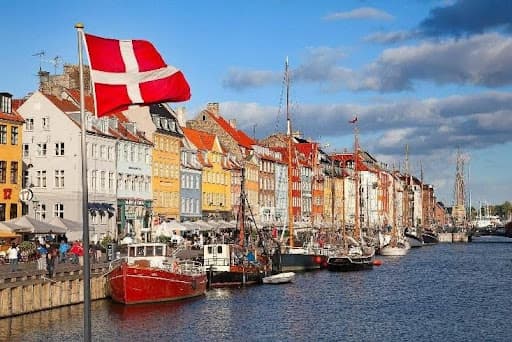
Education System
Denmark offers a highly respected, research-based, and practical education system that emphasizes critical thinking, innovation, and teamwork.
The higher education system includes:
* Universities (research-oriented)
* University Colleges (professional bachelor programs)
* Academies of Professional Higher Education (AP degrees)
Degree structure:
• Bachelor’s Degree: 3 years
• Master’s Degree: 2 years
• PhD Programs: 3 years
Many programs especially at the Master’s level are taught in English, making Denmark attractive for international students.
We're proud to partner with Top Universities
Loading universities...
Student life
Student life in Denmark is modern, independent, and highly balanced. Universities focus on collaboration, creativity, and real-world learning.
International students enjoy:
• Safe and inclusive society
• Innovative teaching methods (group work, discussions)
• Strong student communities and clubs
• Eco-friendly lifestyle (cycling culture 🚲)
• Excellent public services and healthcare
Denmark consistently ranks among the happiest countries globally, offering a high quality of life.
Start Your Study Abroad Journey with PECEDU Global
Get expert guidance & resources to reach your academic goals.Enjoy personalized support for your journey.
Part-Time Work & Career Opportunities
International students are allowed to work part-time:
• Up to 20 hours per week during semesters
• Full-time during holidays
Common student jobs include:
• Cafés and restaurants
• Retail stores
• Cleaning and service jobs
• Internships related to study field
Denmark has strong industries in:
• Renewable energy (wind power 🌬️)
• IT and technology
• Pharmaceuticals
• Engineering and manufacturing
• Design and architecture
Tuition Fees & Cost of Education
Denmark provides high-quality education with transparent tuition structures for international students.
Program / Study Level | Average Tuition Fees |
|---|---|
| Bachelor’s Programs | €6,000–€16,000 per year |
| Master's Programs | €6,000–€16,000 per year |
| PhD Programs | Usually free (often salaried positions) |
Additional Details
- Scholarships and tuition waivers are available, especially for high-achieving students.
living cost in Denmark
Studying in the ABROAD from Bangladesh requires careful financial planning, as monthly living costs vary by city.
City | Starting | Upto |
|---|---|---|
| Average monthly living costs | €800 | €1,400 |
Rent | Food | Transport | Personal expenses |
|---|---|---|---|
| €400–€800 | €200–€350 | €40–€80 | €150–€300 |
Immigration & Settlement Path
Denmark offers good post-study opportunities:
• Graduates can apply for a job-seeking residence permit
• Transition to a work permit after securing a job
• Long-term residence options available over time
Learning Danish can significantly improve job prospects, although many workplaces use English.
Essential Documents and Scholarship Opportunities
✅
Advantages
High-quality, globally recognized education
Strong focus on innovation and practical learning
Safe, clean, and eco-friendly environment
Strong economy and job market
⚠️
Disadvantages
High cost of living
Limited job opportunities without Danish language
Competitive job market for international students
Weather can be cold and windy
Overall Summary
Denmark is a top-tier European study destination, offering a perfect blend of academic excellence, innovation, and quality of life. With its modern education system, sustainability focus, and career opportunities, Denmark is an excellent choice for students looking for a progressive and globally competitive future.

Help Me To Decide
If you can't select your country or university, Discuss with our expert team to decide your destination.