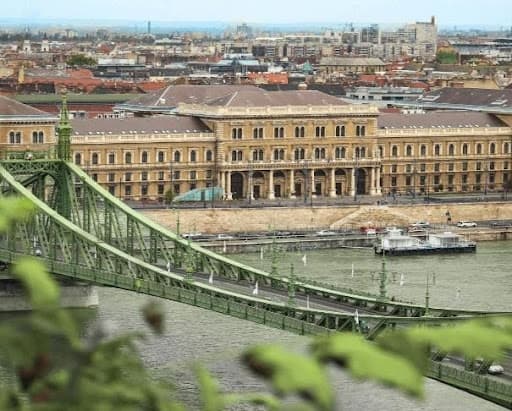
Hungary – Education & Student Life
Hungary, officially the Kingdom of Hungary (historically), is a Central European country known for its rich history, affordable education, and vibrant student life. It shares borders with Austria, Slovakia, Ukraine, Romania, Serbia, Croatia, and Slovenia.
Hungary – Education & Student Life
Hungary, officially the Kingdom of Hungary (historically), is a Central European country known for its rich history, affordable education, and vibrant student life. It shares borders with Austria, Slovakia, Ukraine, Romania, Serbia, Croatia, and Slovenia.
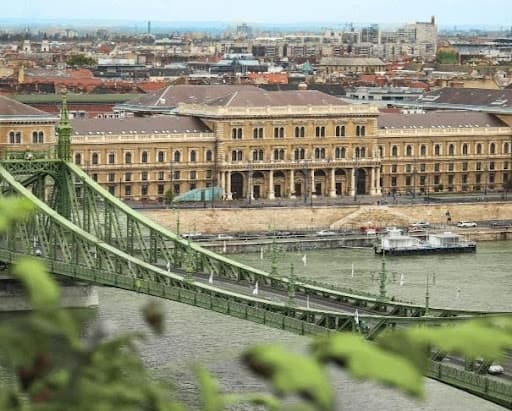
The capital city is Budapest, one of Europe’s most beautiful and student-friendly cities. Other important student cities include Debrecen, Szeged, and Pécs.
The official language is Hungarian, and the currency is the Hungarian Forint (HUF). Hungary has a population of around 9.6 million people.
Education System
Hungary offers a well-structured and internationally recognized education system, especially strong in medicine, engineering, and sciences.
The higher education system includes:
Universities (research-based)
Colleges (practical and professional focus)
Degree structure:
• Bachelor’s Degree: 3–4 years
• Master’s Degree: 1.5–2 years
• PhD Programs: 3–4 years
Many programs, especially in medicine and business, are taught in English, attracting international students.
We're proud to partner with Top Universities
Loading universities...
Student life
Student life in Hungary is lively, affordable, and culturally rich.
International students enjoy:
• Friendly and diverse environment
• Active social and cultural life
• Historic architecture and European lifestyle
• Affordable travel across Europe
• Festivals, cafés, and vibrant nightlife
Start Your Study Abroad Journey with PECEDU Global
Get expert guidance & resources to reach your academic goals.Enjoy personalized support for your journey.
Part-Time Work & Career Opportunities
International students can work:
• Up to 20 hours per week during studies
• Full-time during holidays
Common student jobs include:
• Hospitality (cafés, hotels)
• Retail and customer service
• Internships
Hungary has growing industries in:
• Automotive manufacturing
• IT and technology
• Pharmaceuticals
• Engineering
Tuition Fees & Cost of Education
Hungary is more affordable compared to Western Europe.
Program / Study Level | Average Tuition Fees |
|---|---|
| Bachelor’s Programs | €2,000–€8,000 per year |
| Master’s Programs | €2,000–€8,000 per year |
| Medical Programs | €10,000–€18,000 per year |
| PhD Programs | Often free or funded |
living cost in Hunagary
Studying in the ABROAD from Bangladesh requires careful financial planning, as monthly living costs vary by city.
City | Starting | Upto |
|---|---|---|
| Average monthly living costs | €500 | €900 |
Rent | Food | Transport | Personal expenses |
|---|---|---|---|
| €250–€500 | €150–€250 | €20–€50 | €100–€200 |
Immigration & Settlement Path
Hungary offers post-study opportunities:
• Residence permit for job searching after graduation
• Transition to work permit after employment
• Long-term residence options available
Learning Hungarian can improve job prospects, though many jobs are available in English in multinational companies.
Essential Documents and Scholarship Opportunities
✅
Advantages
Affordable tuition and living costs
Wide range of English-taught programs
Central European location (easy travel)
Rich culture and history
Good quality education
⚠️
Disadvantages
Language barrier (Hungarian is difficult)
Lower average salaries compared to Western Europe
Limited high-paying job opportunities
Bureaucracy can be slow
Overall Summary
Hungary is an excellent choice for students looking for affordable European education with good quality and vibrant student life. With its strong universities, cultural richness, and central location, Hungary offers a balanced and accessible path for international students building their future.

Help Me To Decide
If you can't select your country or university, Discuss with our expert team to decide your destination.