Croatia – Education & Student Life
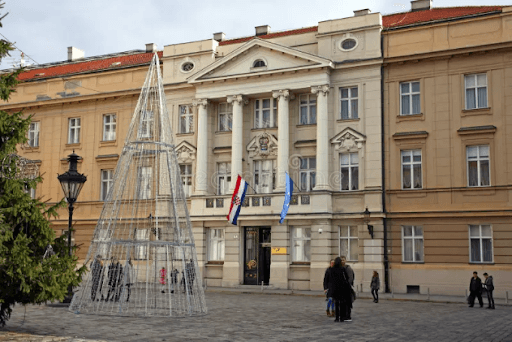
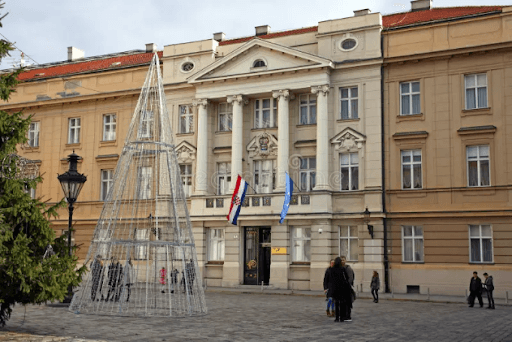
Croatia, officially the Republic of Croatia, is a country in Southeast Europe along the Adriatic Sea. It is known for its historic cities, scenic coastline, and affordable European lifestyle for students.
Croatia – Education & Student Life
Croatia, officially the Republic of Croatia, is a country in Southeast Europe along the Adriatic Sea. It is known for its historic cities, scenic coastline, and affordable European lifestyle for students.
The capital city is Zagreb, a lively and student-friendly hub. Other major student cities include Split, Rijeka, and Osijek.
The official language is Croatian, and the currency is the Euro (€). Croatia has a population of around 4 million people.
Education System
Croatia follows the Bologna Process, ensuring compatibility with other European education systems.
The higher education system includes:
Universities (research-based)
Polytechnics (practical education)
Colleges of applied sciences
Degree structure:
• Bachelor’s Degree: 3–4 years
• Master’s Degree: 1–2 years
• PhD Programs: 3 years
Many universities offer English-taught programs, especially at postgraduate levels.
Top Universities in Croatia
Loading universities...
Student life
Student life in Croatia is relaxed, social, and culturally rich.
International students enjoy:
• Friendly and welcoming environment
• Mediterranean lifestyle and climate
• Affordable living compared to many EU countries
• Cultural festivals and historic sites
• Balanced academic and social life
Start Your Study Abroad
Get expert guidance & resources to reach your academic goals. Enjoy personalized support for your journey.
Part-Time Work & Career Opportunities
Common student jobs include:
• Cafés and restaurants
• Tourism and hospitality
• Retail jobs
• Internships
Key industries in Croatia:
• Tourism and hospitality
• Shipping and maritime
• IT and tech (growing sector)
• Agriculture and food production
Tuition Fees & Cost of Education
Croatia is relatively affordable compared to Western Europe.
Program / Study Level | Average Tuition Fees |
|---|---|
| Bachelor’s Programs | €2,000–€6,000 per year |
| Medical Programs | €2,000–€6,000 per year |
| PhD Programs | €1,000–€3,000 per year |
Additional Details
- Scholarships and exchange programs like Erasmus+ are available for international students.
living cost in Croatia
Studying in the ABROAD from Bangladesh requires careful financial planning, as monthly living costs vary by city.
City | Starting | Upto |
|---|---|---|
| Average monthly living costs | €600 | €1000 |
Rent | Food | Transport | Personal expenses |
|---|---|---|---|
| €250–€500 | €150–€300 | €30–€70 | €100–€250 |
Immigration & Settlement Path
International students can work part-time during studies (subject to visa rules).
immigration & Settlement Path
• Students can apply for temporary residence permits
• After graduation, you may apply for a work permit
• Long-term residence is possible with continuous stay
Learning Croatian can improve job opportunities significantly.
Essential Documents and Scholarship Opportunities
✅
Advantages
Affordable tuition and living costs
Safe and peaceful country
EU-recognized degrees
Beautiful coastal environment
Growing international student community
⚠️
Disadvantages
Limited English-taught programs at Bachelor level
Smaller job market compared to Western Europe
Croatian language needed for most jobs
Lower average salaries
Overall Summary
Croatia is a great choice for students looking for affordable European education with a relaxed lifestyle. It may not have as many opportunities as top Western countries, but it offers a balanced, culturally rich, and budget-friendly study experience in the EU.

Help Me To Decide
If you can't select your country or university, Discuss with our expert team to decide your destination.