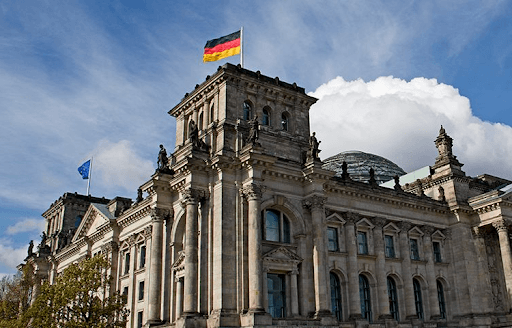
Germany – Education & Student Life
Germany officially the Federal Republic of Germany, is a country in Western and Central Europe with over 82 million people, making it the most populous country in the European Union.
Germany – Education & Student Life
Germany officially the Federal Republic of Germany, is a country in Western and Central Europe with over 82 million people, making it the most populous country in the European Union. It lies between the Baltic and North Seas in the north and the Alps in the south, and borders countries such as Denmark, Poland, France, and the Netherlands. The capital and largest city is Berlin, and Frankfurt is its main financial center. The official language is German. The total area is about 357,000 square kilometers. The currency used is the euro.
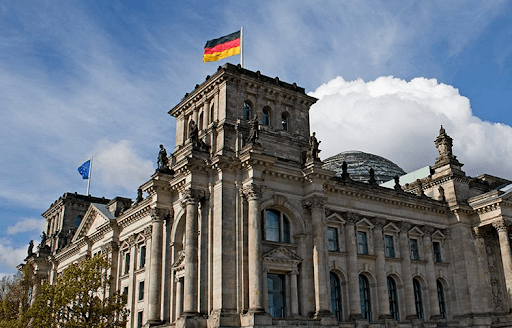
Education System
Education System
Germany has a world-renowned education system with a strong focus on research, engineering, and practical skills. It follows the Bologna system: Bachelor (3–4 years), Master (1–2 years), and PhD programs.
Public universities are highly respected and often tuition-free for international students (small semester fees apply).
Teaching is structured but encourages independent learning, critical thinking, and research-based projects. Many Master’s programs are available in English, especially in engineering, IT, and business fields.
We're proud to partner with Top Universities
Loading universities...
Student Life
Student life in Germany
Student life in Germany is structured but active. Universities offer student clubs, sports, and cultural societies.
International student communities are large, especially in major cities and technical universities.
Students enjoy a good balance between studies and personal life, with opportunities for travel across Europe due to the Schengen area.
However, students need to be self-disciplined due to the independent learning style.
Start Your Study Abroad Journey with PECEDU Global
Get expert guidance & resources to reach your academic goals.Enjoy personalized support for your journey.
Part-Time Work & Career Opportunities
International students can work 120 full days or 240 half days per year.
Common student jobs include:
- Restaurant and café jobs
- University assistant roles
- Retail work
- Internships in engineering and IT companies
Germany has a strong job market in engineering, IT, automotive, and healthcare sectors.
After graduation, students can get an 18-month job-seeking visa to find work.
Tuition Fees & Cost of Education
Program / Study Level | Average Tuition Fees |
|---|---|
| Public universities | €200–€400 |
| Private universities | €5,000 and €2000 per year |
Additional Details
- Germany is considered one of the most affordable high-quality education destinations in Europe due to its low tuition costs and strong academic reputation.
living cost in Germany
Studying in the ABROAD from Bangladesh requires careful financial planning, as monthly living costs vary by city.
City | Starting | Upto |
|---|---|---|
| Average monthly living costs | €850 | €1200 |
Rent | Food | Transport | Personal expenses |
|---|---|---|---|
| €300–€600 | €150–€250 | Often included in semester ticket | €110 |
Immigration & Settlement Path
Immigration & Settlement Path
Germany offers a clear path to permanent residency.
After finding a qualified job, graduates can apply for an EU Blue Card or work visa.
Permanent residency is usually possible after 33 months (or 21 months with language proficiency).
Germany is considered one of the strongest EU countries for long-term settlement opportunities.
Essential Documents and Scholarship Opportunities
✅
Advantages
Free or very low tuition fees
High-quality education system
Strong engineering and technical reputation
Good post-study work opportunities
Central location in Europe
⚠️
Disadvantages
German language required for many jobs
High competition in major cities
Bureaucratic processes can be slow
Cost of living is high in cities like Munich
Overall Summary
Germany is one of the best destinations in Europe for international students, especially in engineering, IT, and business. It combines low education costs, strong career opportunities, and a clear immigration pathway, making it highly attractive for long-term settlement.

Help Me To Decide
If you can't select your country or university, Discuss with our expert team to decide your destination.